


Your child takes part.
Your child joins in, so we do not rely only on your memory.
Language development · 36–78 months
Explore how your child understands and uses language. Find out what to try next.
This is observational reference information, not a medical diagnosis.
“I don’t know” is all you hear about school. They respond only when you speak louder. Longer sentences rarely come.
You may hear this from a teacher:
“They talk so much at home, but stay quiet at school.”
What looks like shyness or distraction may relate to understanding and using language. Take a closer look.
Children take part in language activities. We ask about everyday situations and explore what concerns you.
Your child joins in, so we do not rely only on your memory.
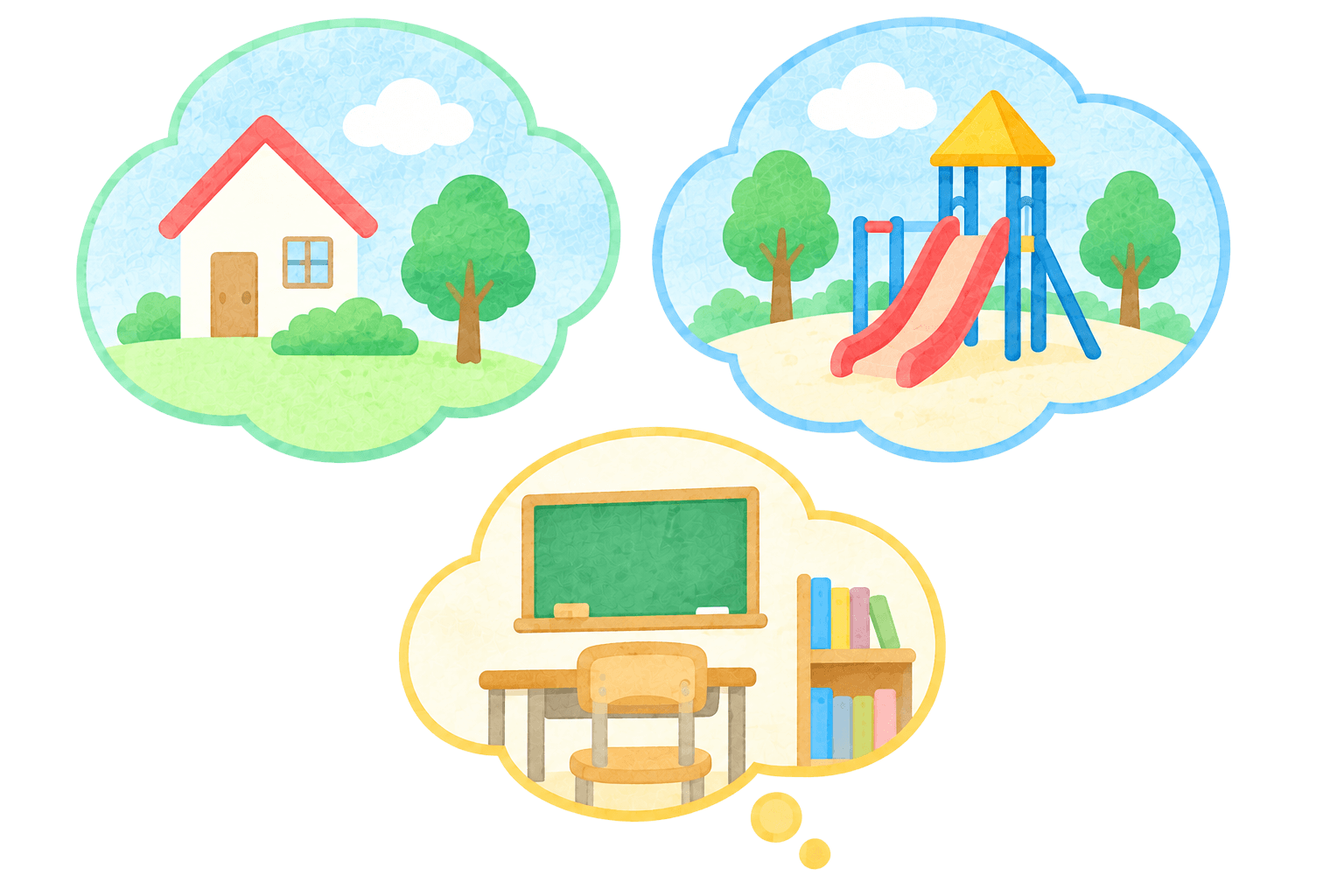
Everyday situations help us understand your child in context.
Choose what worries you. The report focuses on those observations.
Each test has its own activities and evaluation.
Your tests and records, all in one place.
Add your child and check their details.
You answer, your child takes part. Activities match your child’s age.
After the activities, view your child’s report.
See the results at a glance.
Example · Fictional data
 Explore your child’s responsesExplanations focus on your concerns.Results offer perspective and practical next steps.
Results help you understand your child.
Kaffol AI prepares explanations from the activity records.
KaffolTest’s language development check is for children aged 36–78 months (3–6 years). Questions are selected for your child’s age. The start screen shows the time for the caregiver questionnaire and each language activity; timing may vary with your child’s responses.
Receptive language means understanding what you hear. Expressive language means putting your thoughts into words. A child may talk a lot but find understanding difficult, or understand well but find expressing themselves harder, so we look at both.
Complete the caregiver questionnaire first, then hand the device to your child. Your child selects pictures or answers aloud while you stay nearby without giving answers or tapping for them. Choose a quiet time when your child feels comfortable.
Answering only “I don’t know” is common at this age. Broad questions can make it hard to know where to start, so try something specific, such as “What did you have for lunch?” If a child over five still cannot tell a story involving two or more events, it is worth looking more closely at their storytelling skills.
For children speaking Korean, imprecise ㅅ/ㅆ or ㄹ sounds are common around age six. If sound substitutions such as saying “dagwa” for “sagwa” (apple) persist after age five, or unfamiliar listeners have difficulty understanding your child, consider talking with a professional.
It can be. A child who understands an instruction but does not follow it needs different support from a child who does not understand it. If your child often misses parts of two- or three-step instructions, it may help to look at their language comprehension.
If the meaning is still unclear when you read the problem aloud, look at listening comprehension, or receptive language. If your child understands when you read aloud but struggles only when reading alone, look at reading skills. The kind of help you offer at home depends on where the difficulty lies.
Many children speak less in unfamiliar places. If your child consistently does not speak at kindergarten for more than a month after the adjustment period, talk with a professional. It also helps to observe whether they can explain events well in comfortable settings.
No. The results describe what was observed during one assessment and do not replace a medical diagnosis or establish a developmental level. Depending on the results, we suggest things to try at home or situations where professional advice may help.
Consider a consultation if your concerns persist for several months or difficulties appear in several areas, such as storytelling, speech sounds, and understanding. If your KaffolTest results recommend professional advice, we also explain how to find a child development center nearby.
 Listen again